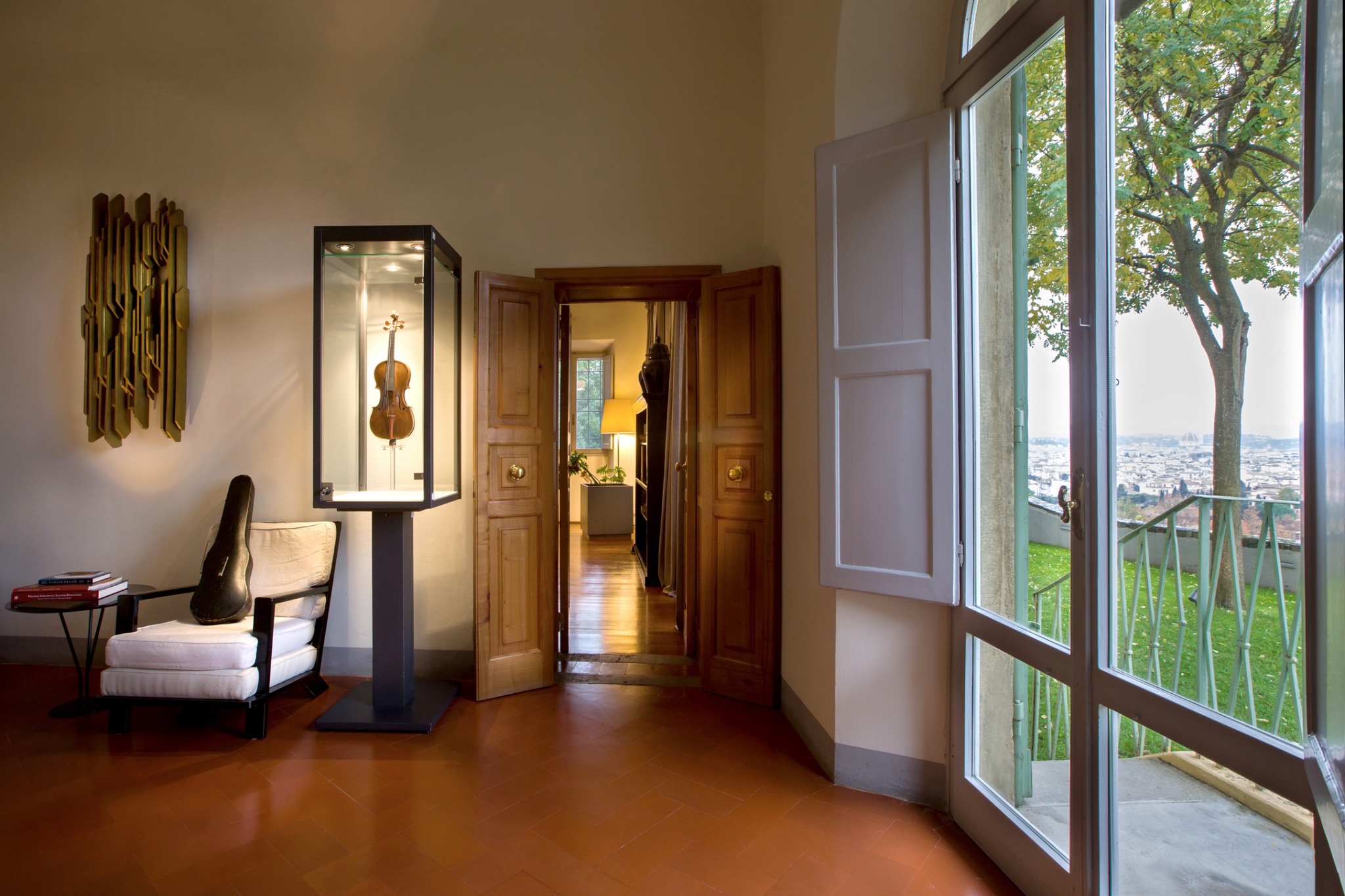
Art advisory for new collectors provides thoughtful guidance for individuals beginning their collecting journey. From defining personal interests and evaluating artworks to understanding provenance, authenticity and acquisitions, professional advice can help collectors build meaningful collections with knowledge, confidence and a long-term cultural perspective.
For new collectors, understanding how art advisory works is an important first step. From defining collecting goals and evaluating potential acquisitions to researching provenance and planning long-term collection care, a thoughtful approach helps turn individual purchases into a coherent collection.
Art Advisory for New Collectors: Where to Begin
Art advisory is a specialized service that helps individuals, families, and institutions build, manage, and understand art collections. An art advisor works with the collector to define objectives, research and source appropriate works, evaluate provenance and condition, coordinate due diligence, support negotiations and acquisitions, and help oversee the long-term stewardship of a collection.
In practice, the art advisory process usually begins by understanding the collector’s interests, existing collection, budget, cultural perspective and long-term goals. From there, an advisor can help identify suitable opportunities, research individual works, coordinate specialist expertise when required, assist with acquisition and logistics, and maintain appropriate documentation as the collection develops.
For new collectors in particular, professional art advisory can help transform an overwhelming market into a more informed and considered experience. Good advisory is not simply about identifying objects to purchase. It begins with understanding the collector and creating a thoughtful framework for decisions over time.
Art Advisory Within a Broader Private Advisory
At Doppiecorde, private cultural advisory brings together private art advisory, cultural patronage and exceptional assets, guided by culture, relationships and long-term perspective.
Our interests extend beyond fine art to private collections, fine musical instruments, cultural assets, patronage, and other objects of significance where provenance, expertise, relationships, and long-term stewardship matter.
This broader perspective allows collecting to be considered not simply as the acquisition of individual objects, but as part of a larger relationship between culture, heritage, personal vision, and legacy.
7 Essential Steps in the Art Advisory Process for Informed Collecting
A structured art advisory process can simplify decision-making and help align acquisitions with a collector’s broader vision. While every collection is different, several fundamental stages are common to thoughtful collecting.
1. Define Your Collecting Goals
The process begins by understanding why you collect.
Some collectors are motivated primarily by aesthetic appreciation and the pleasure of living with extraordinary objects. Others may be interested in cultural preservation, family legacy, philanthropy, supporting artists and institutions, or developing a collection around a particular period, movement, geography, or medium.
Clarifying these motivations helps establish a coherent direction for future decisions.
2. Assess Budget and Acquisition Strategy
A collecting strategy should consider more than the purchase price of an artwork.
Transportation, insurance, conservation, framing, installation, storage, taxes, documentation, and ongoing collection management can all form part of the overall cost of ownership.
Establishing a realistic financial framework allows a collector to evaluate opportunities with greater confidence and to distinguish between immediate acquisitions and longer-term aspirations.
3. Curate a Targeted Shortlist
Once the collector’s interests and objectives are understood, research can begin.
An advisor may identify artists, works, galleries, private collections, estates, auction opportunities, or other sources that correspond with the collector’s direction.
The objective should not simply be to present as many opportunities as possible. Thoughtful advisory involves selection: reducing an enormous marketplace to a carefully considered group of objects worthy of further attention.
4. Conduct Due Diligence
Before an important acquisition, due diligence is essential.
This may include examining provenance, authenticity, condition, exhibition history, literature, certificates, ownership documentation, and other information relevant to the work.
Depending on the nature and importance of the object, specialists such as conservators, scholars, artist foundations, catalogue raisonné committees, legal professionals, or other independent experts may also be involved.
Good documentation does not merely support a transaction. It becomes part of the history of the object itself.
5. Negotiate and Acquire
Once an appropriate object has been identified and evaluated, the acquisition process begins.
Depending on the market, this may involve a gallery, auction house, artist, estate, private collector, dealer, or intermediary.
Price is only one consideration. Terms of sale, title, documentation, condition, payment arrangements, confidentiality, transportation, insurance, and timing can all be relevant.
An advisor can help coordinate these elements while keeping the collector’s objectives at the center of the transaction.
6. Coordinate Logistics and Installation
Acquiring an exceptional object is only part of the process.
Professional packing, transportation, customs procedures where applicable, insurance, environmental considerations, installation, lighting, security, and appropriate placement may all require specialist attention.
For significant works, careful logistics protect both the physical object and the integrity of the acquisition.
7. Implement Ongoing Collection Care
A collection continues to evolve after an acquisition.
Condition monitoring, insurance reviews, updated documentation, conservation planning, photography, cataloguing, storage decisions, and periodic collection reviews can all contribute to responsible stewardship.
Over time, these practices create an organized historical record and help preserve the cultural significance of the collection for future generations.
Mapping Your Art Journey: Setting Goals and Budgets with Confidence
Beginning a collection does not require knowing everything about the art market.
It requires curiosity, discipline, and a willingness to develop a point of view.
Collectors should consider what genuinely resonates with them. Is the objective to live with beautiful and meaningful works? To explore a particular cultural period? To support living artists? To preserve heritage? To build something that can eventually pass from one generation to another?
These questions can be more important than following short-term market trends.
Budgeting should also reflect the complete collecting process. Acquisition price is important, but collectors should also anticipate expenses related to transportation, insurance, conservation, documentation, framing, installation, and professional services where appropriate.
A well-defined framework creates freedom rather than restriction. It allows collectors to recognize when an opportunity truly belongs within their collection.
How Art Is Sourced, Authenticated, and Curated for Your Collection
Meaningful collecting often begins long before an object becomes publicly available.
Works can be sourced through galleries, auction houses, artists, private collections, estates, institutions, specialist dealers, and established professional relationships.
Private opportunities may be particularly dependent upon trust and discretion. In these situations, relationships developed over time can provide access to objects that may never be broadly marketed.
Once a potential acquisition has been identified, provenance and authenticity become critical considerations.
Provenance establishes the known history of ownership of an object. Depending on the work, research may also include exhibition records, publications, archival material, certificates, expert opinions, catalogue raisonné references, and technical examination.
Institutions such as the Getty Research Institute offer valuable scholarly resources for understanding art history, archival documentation and the wider context of collecting. Such research can complement specialist provenance investigations and independent due diligence.
Condition is equally important.
An exceptional work with significant conservation issues may require a very different evaluation from a comparable object in excellent condition. Professional condition reports and independent specialist advice can therefore play an important role in informed decision-making.
Curation brings these elements together.
A collection should ideally develop its own identity rather than becoming an accumulation of unrelated purchases. The relationship between objects, periods, artists, cultural contexts, and the collector’s own perspective can ultimately become part of the collection’s significance.
Navigating the Art Acquisition Process: From Handshake to Hanging
Acquiring fine art often involves considerably more than agreeing on a price.
Once commercial terms have been established, the transaction should be supported by appropriate documentation. Depending on the acquisition, this may include an invoice, bill of sale, provenance records, condition documentation, authenticity materials, title representations, and applicable contractual terms.
Collectors should understand exactly what is being acquired and what documentation accompanies the work.
For international transactions, additional considerations may include customs procedures, import or export requirements, cultural-property regulations, taxes, transportation arrangements, and insurance.
High-value objects should generally be handled by experienced professionals familiar with appropriate packing, climate considerations, security, and specialist transportation.
The objective is a seamless transition from acquisition to stewardship.
The Doppiecorde Perspective
Doppiecorde approaches art advisory through the intersection of culture, relationships, and exceptional assets.
Art is an important part of this world, but it is not the only one.
Our perspective encompasses fine art, fine musical instruments, private collections, cultural assets, patronage, and exceptional objects whose significance may extend beyond their material value.
For collectors, families, and institutions, meaningful advisory begins with understanding the story, provenance, context, and purpose behind an asset.
Whether considering an acquisition, developing a collection, preserving an existing legacy, or exploring opportunities for cultural patronage, thoughtful decisions require both expertise and trusted relationships.
Doppiecorde seeks to create a bridge between heritage and opportunity—connecting people, institutions, knowledge, and exceptional assets while respecting the cultural significance and individuality of every collection.
Looking to the past. Envisioning the future.
Frequently Asked Questions About Art Advisory
What are the benefits of art advisory for new collectors?
Art advisory for new collectors can provide independent research, guidance on first acquisitions, provenance assessment, budgeting considerations and access to specialist knowledge. Its purpose is to help collectors make informed decisions while developing their own collecting interests and long-term vision.
What is art advisory?
Art advisory is a professional service that helps collectors, families and institutions make informed decisions about building, acquiring, managing and stewarding art collections. Depending on the engagement, an advisor may provide research, sourcing, due diligence, acquisition support, documentation and ongoing collection guidance.
How does art advisory work?
Art advisory typically begins with understanding the collector’s interests, objectives, budget and existing collection. The process may then include researching and sourcing works, evaluating provenance and condition, coordinating specialist due diligence, supporting negotiations and acquisitions, arranging logistics and helping maintain the collection over time.
How does an art advisor differ from a gallery dealer or auction specialist?
An art advisor generally works from the perspective of the collector and the collection. Galleries typically represent artists or inventory, while auction houses facilitate transactions between consignors and buyers.
An independent advisory relationship can help the collector evaluate opportunities across different sources rather than being limited to a particular inventory or sales channel.
The precise role and potential conflicts should always be clearly understood before beginning an advisory relationship.
What should I expect during an initial consultation with an advisor?
An initial conversation should focus on understanding the collector.
Topics may include aesthetic preferences, existing collections, areas of interest, acquisition goals, budget parameters, cultural interests, desired level of involvement, and long-term objectives.
For an existing collection, the discussion may also include documentation, organization, conservation, insurance, succession, or future collection strategy.
Can art advisors help me buy from galleries and auctions?
Yes. Depending on the scope of the advisory relationship, advisors may assist with galleries, auctions, private sales, estates, artists, and other sources.
Their role may include research, evaluation, due diligence, negotiation support, bidding strategy, documentation, logistics, and coordination with appropriate specialists.
How are art advisors compensated?
Compensation models vary.
Advisors may work on a retainer, fixed project fee, hourly basis, commission, or another agreed structure depending on the nature of the assignment.
What matters most is transparency. Collectors should understand how an advisor is compensated, whether any third-party compensation exists, and whether potential conflicts of interest could influence a recommendation.
Do I need an advisor if I collect across different markets?
Collecting increasingly extends across cities, countries, galleries, auction houses, private collections, and cultural networks.
An advisor can help navigate different markets, evaluate opportunities, coordinate due diligence, and provide continuity across acquisitions while keeping the collector’s broader vision and objectives in focus.
Your Path Forward in Building a Meaningful Collection
Collecting is ultimately personal.
Knowledge of markets, provenance, authenticity, condition, and logistics is important, but the strongest collections are often distinguished by something less measurable: a coherent point of view.
A collector should take time to look, learn, visit exhibitions, study objects, speak with specialists, and understand what genuinely deserves a place within the collection.
Professional art advisory can provide structure around that process—helping identify opportunities, conduct appropriate research, navigate private and public markets, and coordinate the practical details surrounding an acquisition.
But advisory should not replace the collector’s vision. It should help refine it.
For Doppiecorde, this philosophy extends beyond individual works of art. It reflects a broader belief in the enduring relationship between culture, heritage, people, and exceptional assets.
A meaningful collection is not simply assembled.
It is cultivated.
Collectors seeking further guidance can explore Doppiecorde’s Private Art Advisory or contact Doppiecorde to begin a confidential conversation.