Cultural Patronage / An Essay
Art does not ask us to understand everything before allowing us to feel something.
Art patronage begins with a belief that has guided Doppiecorde from its origins: artistic expression deserves support, but the emotions it creates should not be reserved for those who have received a particular education.
Music and visual art offer different experiences, yet both can reach people in ways that knowledge alone cannot explain. A musical performance may introduce us to an unfamiliar world. A painting may hold our attention before we know anything about the person who created it.
There is a fundamental difference between creating art and experiencing it. To make something exceptional requires knowledge, discipline, imagination and often years of dedication. To be moved by it may require nothing more than being present.
What Music Taught Us About Patronage
A musician may spend an entire life developing the ability to express what cannot easily be said in words. The instrument becomes part of that expression: not simply an object of extraordinary craftsmanship, but something through which an individual artistic voice becomes audible.
This is one of the reasons musical patronage matters. By helping a musician gain access to an appropriate instrument, a patron can make possible a performance that might otherwise never take place.
Yet the significance of that support should not end with the performer. It also extends to the people who will hear the music.
Someone attending a classical concert for the first time may know little about the composer, the structure of the work or the history of the instrument. None of this prevents the experience from becoming deeply personal.
A passage of music can awaken a memory, create a feeling of tenderness or sadness, or simply open a moment of unexpected beauty. Curiosity may follow the emotion. Knowledge may come later.
The Different Silence of a Painting
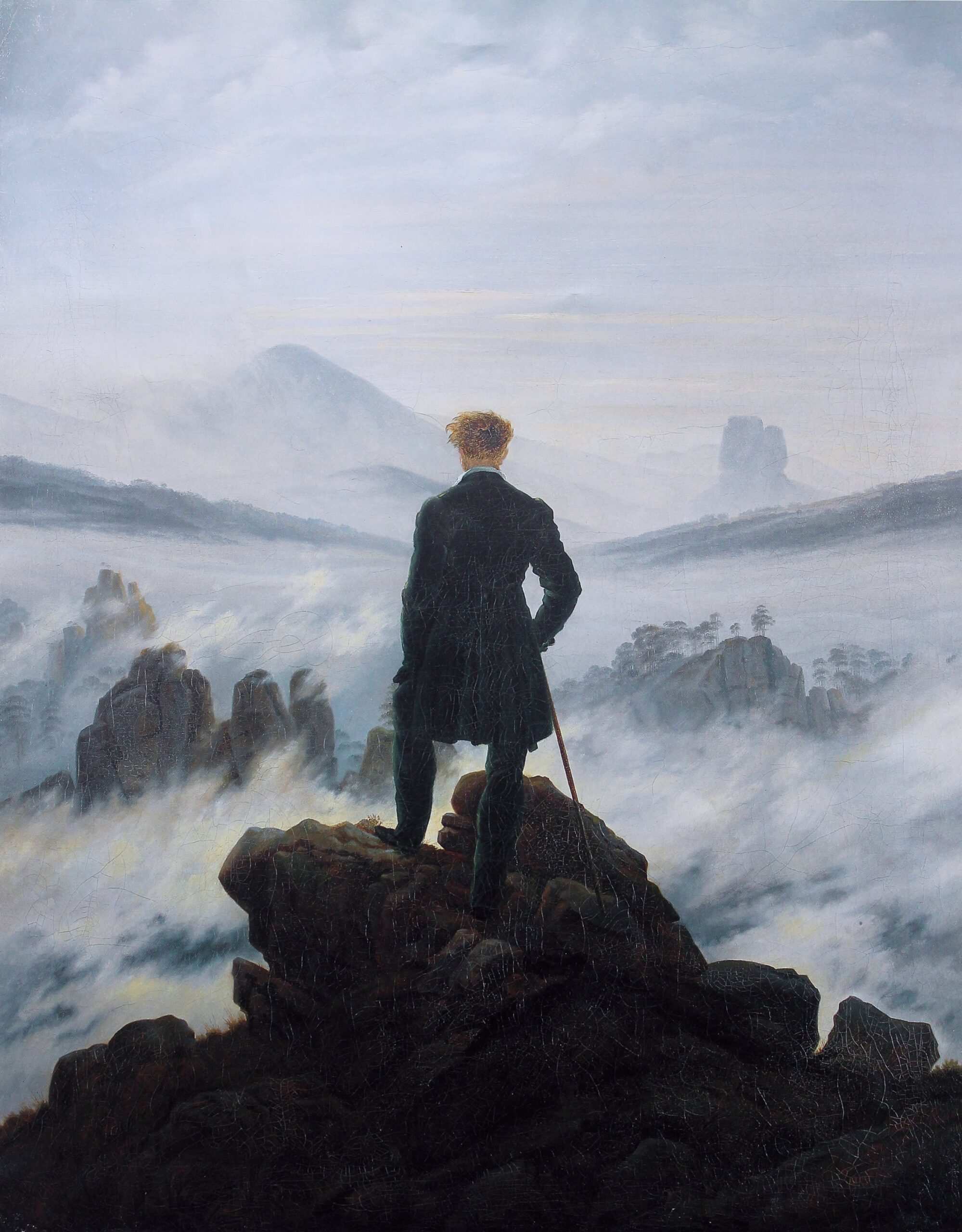
A painting offers a different kind of encounter. Unlike music, it does not need a performer to bring it into the present. The artist has already completed the work. It is there, waiting to be seen.
The person standing before it may understand its historical context, recognise the artist’s technique or know the circumstances in which it was created. Another visitor may know none of these things.
Both may find themselves equally affected by what they see.
A landscape may evoke a place remembered from childhood. A portrait may suggest an emotion that is difficult to describe. A gesture, a colour or a particular quality of light may cause someone to stop and look longer.
The encounter belongs to the viewer as much as the work belongs to its history. An informed interpretation can deepen the experience, but it should never be mistaken for a condition of feeling something.
This distinction is important. The question is not whether a person possesses the knowledge necessary to appreciate a work correctly. It is whether that person has been given the opportunity to encounter it.
From Supporting the Artist to Welcoming the Viewer
Patronage has traditionally been associated with the support of artistic creation. That remains essential, but its possibilities are broader.
In music, support may help an exceptional performer develop a career or make a particular performance possible. It can also help bring that performance to audiences who might not otherwise have access to it.
In the visual arts, the work may already exist. The responsibility then takes a different form: preserving it, caring for its history and considering how it might continue to be experienced by others.
Exhibitions, institutional collaborations, educational initiatives and thoughtful opportunities for public access can all contribute to this wider purpose.
Private ownership and public cultural significance are not necessarily opposing ideas. A work can belong to a private collection while carrying a meaning that reaches far beyond its owner.
What matters is the willingness to recognise that significance and, where possible, allow others to share in it.
Art Patronage and the Right to Be Moved
It is sometimes assumed that meaningful engagement with art belongs primarily to those who have studied it. Expertise is valuable, and understanding can reveal dimensions of a work that might otherwise remain unnoticed.
But emotion does not follow an academic hierarchy.
A person entering a museum for the first time does not need to demonstrate an understanding of art history before responding to a painting. Someone listening to classical music for the first time does not need to identify every musical reference to be moved.
There should be room for both the specialist and the newcomer, for intellectual discovery and immediate human response.
In this sense, patronage is not only about what is created, collected or preserved. It is also about who is invited to participate in the experience.
Why Doppiecorde Embraces Art and Cultural Patronage
Doppiecorde began as an idea in 2012 and took shape in Bormio, Italy, in 2013. Its original inspiration came from musical patronage and the relationship between musicians, exceptional instruments and those willing to support artistic talent.
At the heart of that idea was a simple understanding: an instrument can be far more than a valuable object. In the hands of a musician, it becomes the means through which an artistic voice can reach other people.
Over time, this way of thinking naturally opened onto the wider world of fine art, private collections and cultural stewardship.
The objects and disciplines may differ, but the underlying questions remain connected. What does it mean to care for something exceptional? What responsibilities accompany its ownership? And how can private commitment contribute to a cultural experience beyond the individual?
These questions continue to inform Doppiecorde’s understanding of art advisory and cultural patronage.
Making Room for Reflection
Art does not always provide answers. Sometimes its value lies in allowing us to remain with a question, a memory or a feeling that we cannot immediately explain.
A musical performance may disappear into silence, yet remain in someone’s memory for years. A painting may be encountered only once and still change the way a person sees something familiar.
These experiences cannot be measured in the same way as the objects or resources that help make them possible.
Perhaps that is why cultural patronage deserves to be understood not simply as financial support or the stewardship of valuable works, but as a commitment to the human experience of art.
Because the greatest contribution of patronage may not be what it allows us to possess. It may be what it allows others to feel.