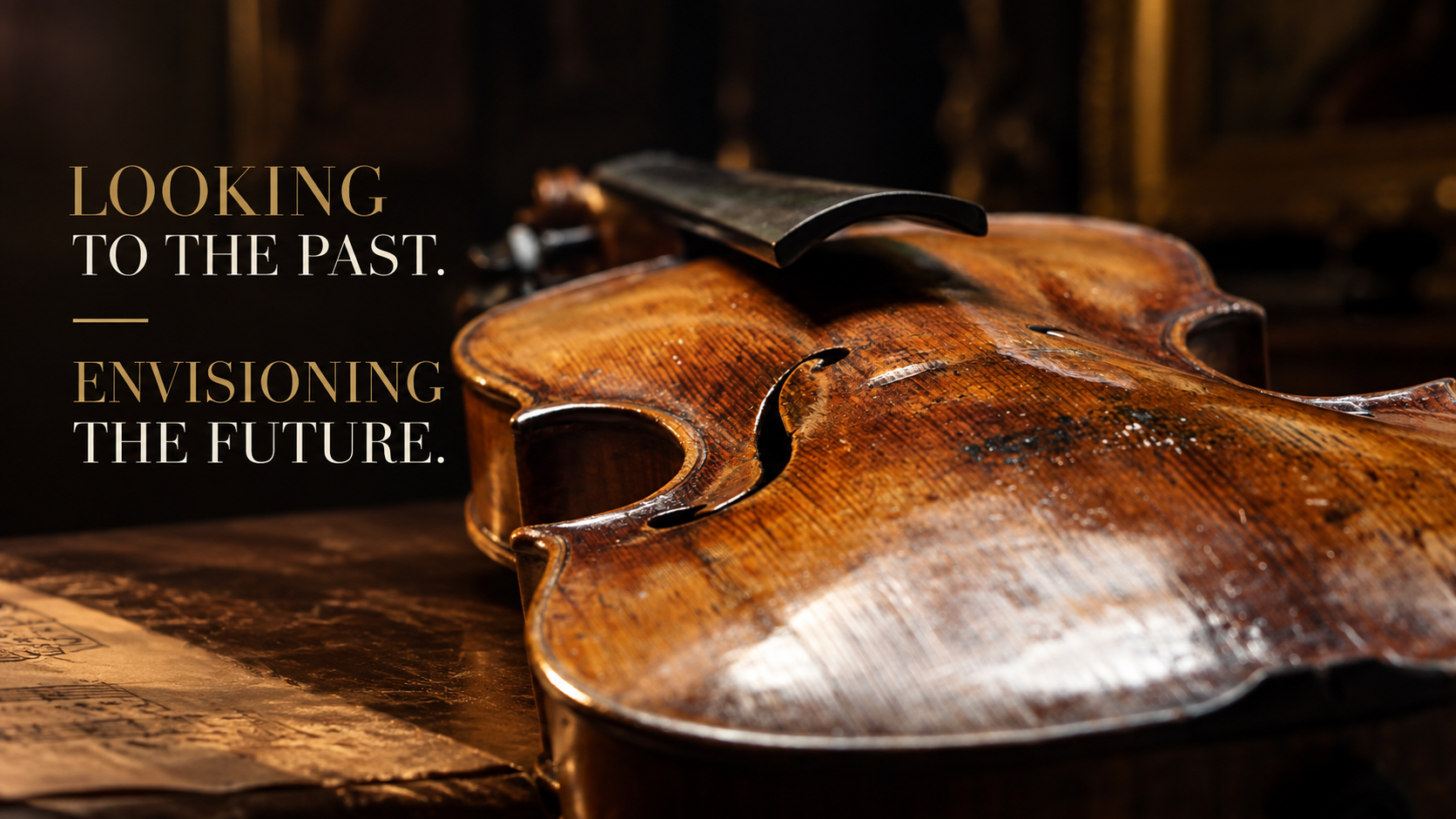
Exceptional Musical Instruments:
Where Art, History and Sound Converge
A fine musical instrument is more than an object of exceptional craftsmanship.
It is the result of a unique convergence of art, history, material knowledge and sound.
A fine musical instrument can carry the identity of its maker, the legacy of the
musicians who have played it and the history of the collectors and institutions
that have preserved it across generations.
The great traditions of Cremona, Venice and Naples, together with
important French, English and other European schools, produced instruments and bows
that today occupy a distinctive place within the world of cultural heritage and
private collecting.
Names such as Antonio Stradivari, Giuseppe Guarneri del Gesù,
Carlo Bergonzi and G.B. Guadagnini have become inseparable from the history
of violin making. Yet a celebrated name alone does not define the significance
of an instrument.
What Makes a Musical Instrument Exceptional?
An exceptional musical instrument is distinguished not by a single characteristic,
but by the relationship between authorship, craftsmanship, provenance,
condition, documentation, historical importance and musical significance.
For important violins, violas, cellos and bows, understanding these elements requires
careful research and, where appropriate, the involvement of recognized specialists.
The significance of an instrument may reflect not only who made it, but also how it
has survived, who has played or owned it and the place it occupies within the history
of music and instrument making.
Beyond the Name
Understanding an exceptional musical instrument requires consideration of several
interconnected elements.
Authenticity and attribution establish the identity of the maker
and the historical context of the work.
Provenance can reveal an instrument’s journey through musicians,
collections and institutions.
Condition and preservation are fundamental to understanding what
has survived from the original maker and how the instrument has evolved over time.
Certification and specialist expertise contribute to establishing
confidence in attribution and documentation.
Finally, historical and cultural relevance can give an instrument
significance extending far beyond its physical characteristics.
For this reason, acquiring an important violin, viola, cello or bow should never
be approached solely as the purchase of an object. It is an exercise in
knowledge, judgment and stewardship.
Instruments as Cultural Assets
Exceptional musical instruments occupy an unusual position within the world
of collecting.
They may belong to important private collections while continuing to be played.
They may pass from one generation to another, enter the care of foundations or
institutions, or be entrusted to distinguished musicians.
Unlike many collectible objects, their cultural life can continue through performance.
This relationship between preservation and use is part of what makes
fine musical instruments unique within the broader world of exceptional assets.
Collecting Fine Musical Instruments
Building a collection of significant musical instruments requires more than identifying
important makers. Each potential acquisition should be considered within the context
of the collection itself, including its historical relevance, provenance, condition,
documentation and relationship to other instruments or bows already represented.
For private collectors, families and institutions, responsible collecting also involves
long-term considerations such as preservation, insurance, documentation, conservation,
performance and succession. These elements form part of the stewardship of instruments
whose cultural significance may extend across generations.
Antonio Stradivari
The “Corbett”
Selected instruments offer a perspective on different periods, schools and
traditions of European violin making, revealing the craftsmanship, provenance
and individual histories that define this field.
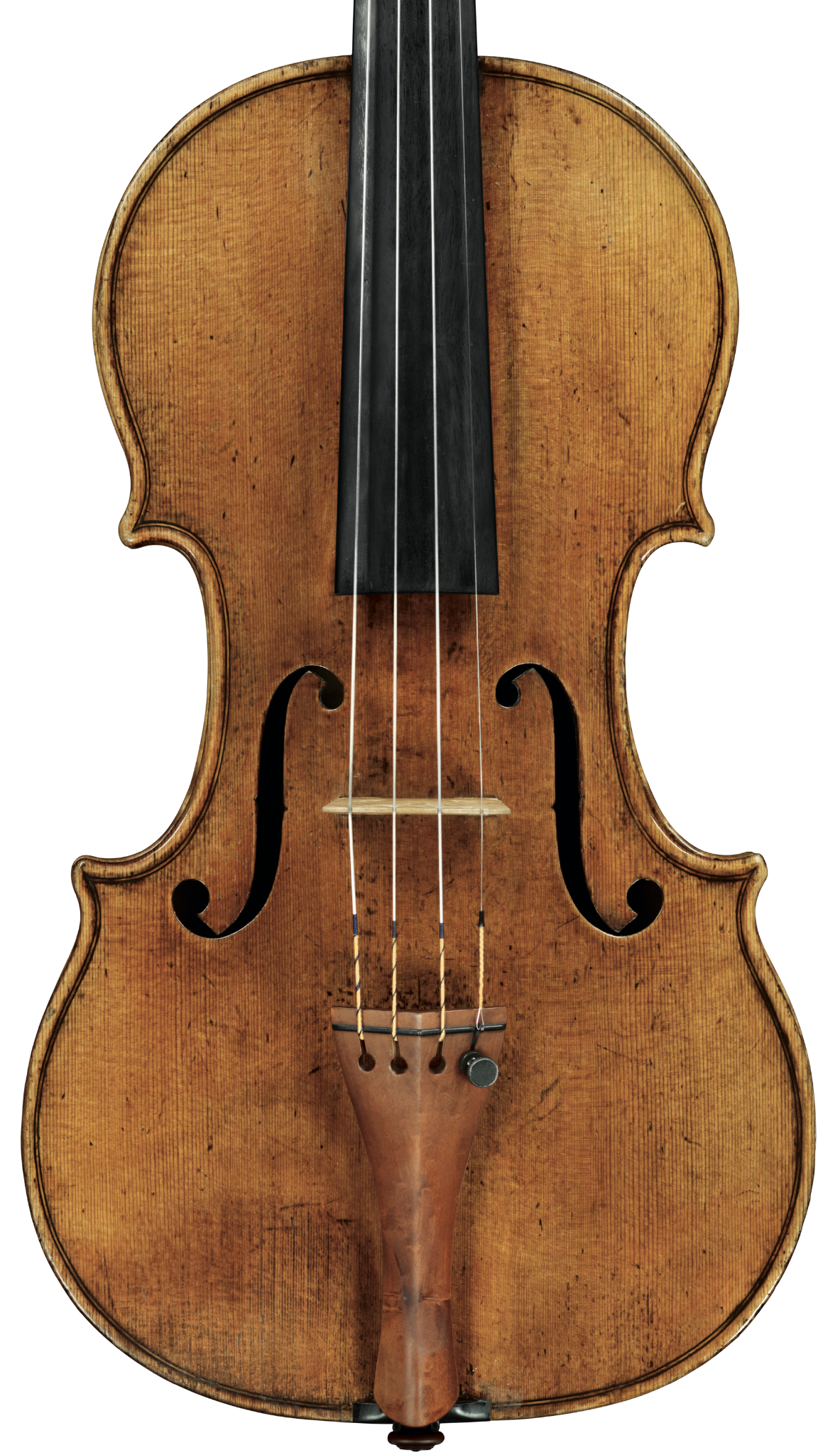
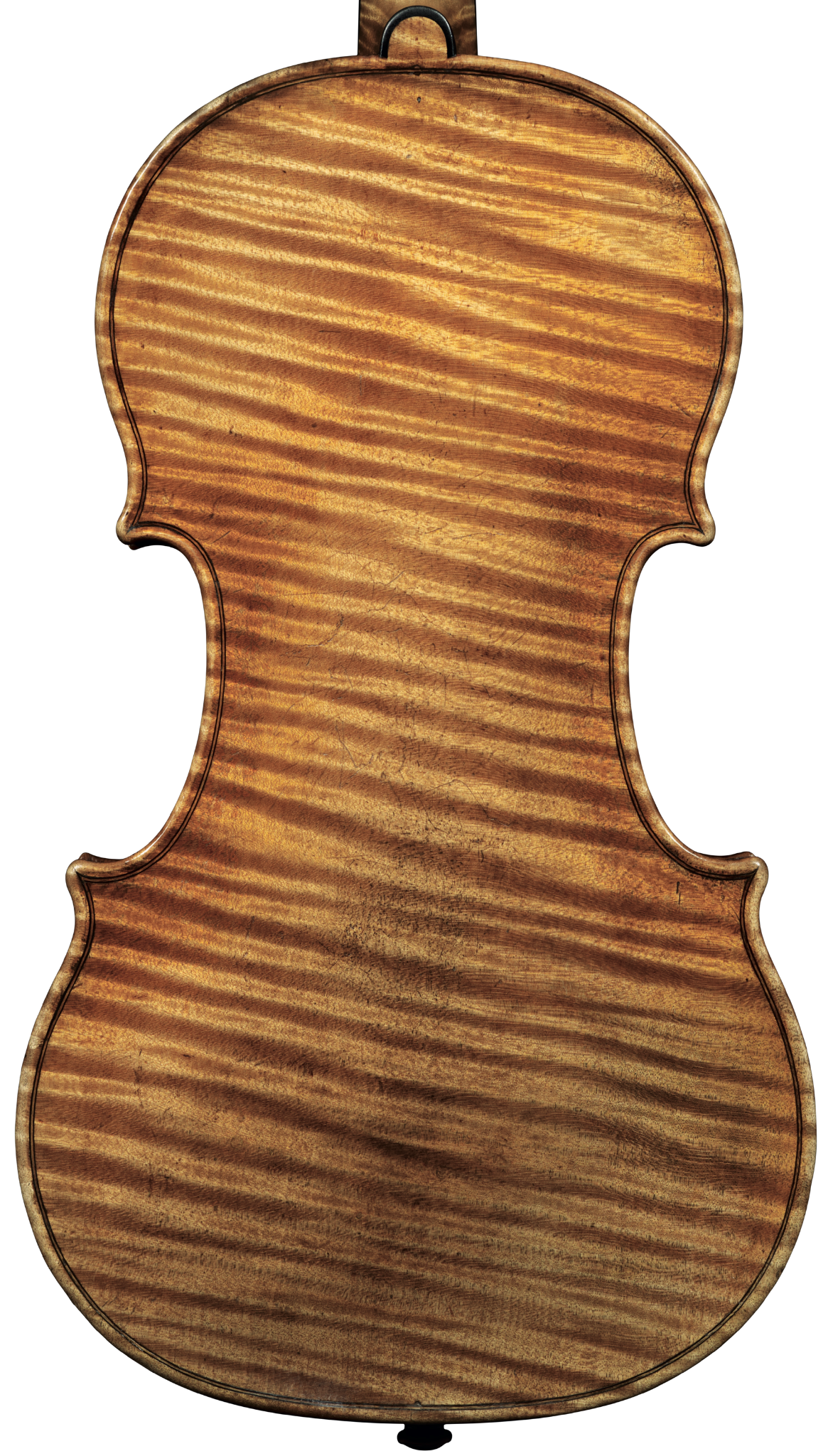
The 1706 “Corbett” violin by Antonio Stradivari represents
an exceptional intersection of craftsmanship, provenance, musical history
and cultural heritage.
Named after its first recorded owner, the English violinist and composer
William Corbett (1680–1748), the instrument carries a
documented history extending across more than three centuries.
A Distinguished Provenance
The “Corbett” takes its name from William Corbett, the English violinist
and composer who is the instrument’s first recorded owner. Its subsequent
history connects the violin with generations of musicians, collectors and
leading specialists in the international violin world.
Its documented provenance includes associations with
W.E. Hill & Sons, Sotheby’s, Jacques Français,
the Young-Uck Kim family and Giovanni Accornero,
together with a succession of private owners.
Historical documentation records certificates by
W.E. Hill & Sons and Beare.
Musicians associated with the instrument include
William Corbett, Joseph Suk, Young-Uck Kim and So-Ock Kim.
HISTORICAL DOCUMENTATION
Antonio Stradivari
The “Corbett”, 1706
Historical provenance, certification references and photographic
documentation relating to the instrument.
The Doppiecorde Perspective
At Doppiecorde, fine musical instruments represent a natural
intersection of our work in culture, relationships and exceptional assets.
Our approach considers the instrument as a whole: its authorship, provenance,
condition, documentation, historical importance and place within a private or
institutional collection.
Through specialist knowledge and long-standing relationships, we advise clients
with discretion when evaluating, acquiring or developing collections of significant
instruments and bows.
Because the most important instruments are not simply owned.
They are preserved, played and entrusted to the future.